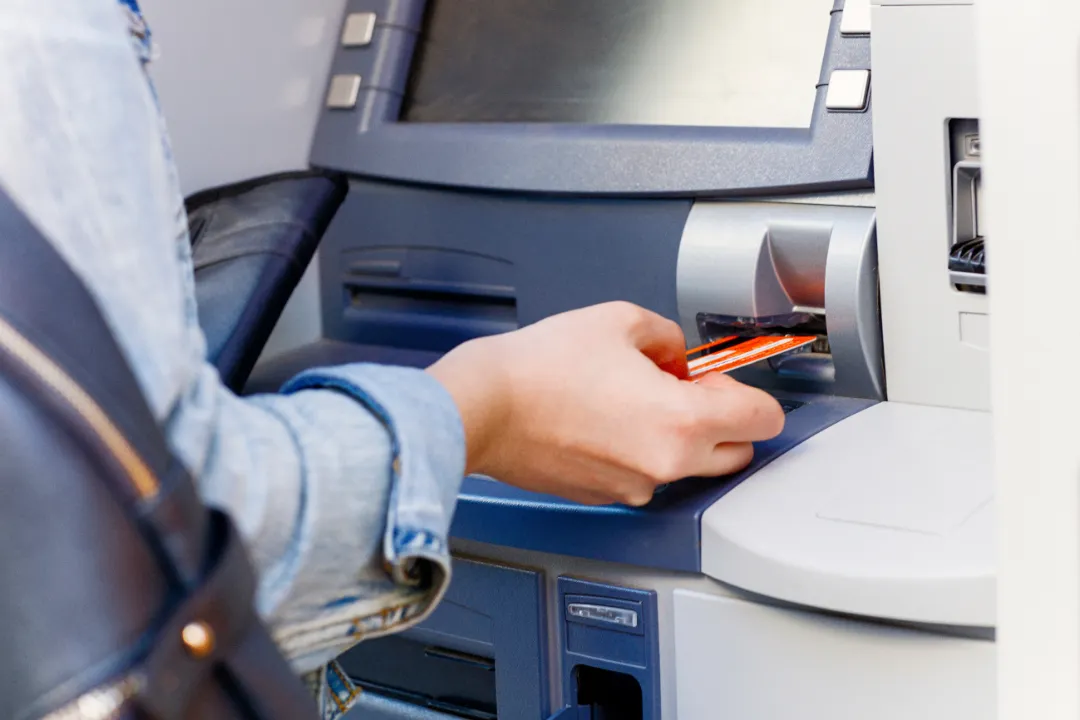

How to Identify the Best ATM Location in Vermont: 4 Practical Questions That Matter
- December 24, 2025
- admin
- 2:10 pm

Choosing the right ATM location is one of the most important decisions for ATM owners and business operators in Vermont. A machine placed in the wrong spot may sit idle, while the same ATM in a better location can generate steady daily transactions with minimal effort. Vermont’s business landscape is unique—made up of locally owned shops, tourism-driven destinations, seasonal traffic, and community-centered commerce—so ATM placement decisions must reflect real customer behavior, not assumptions.
Whether you plan to buy, lease, rent, or explore qualified free ATM placement, asking the right questions upfront can significantly improve performance. The four questions below are designed to help Vermont businesses evaluate ATM placement opportunities based on foot traffic, customer intent, operating hours, and location context—factors that directly influence transaction volume and long-term profitability.
The 4 Most Important Questions to Identify a High-Performing ATM Location in Vermont
1. Does This Location Have Consistent, Real Foot Traffic?
Foot traffic is the foundation of ATM performance. In Vermont, the strongest ATM locations are not always the busiest streets—but the places where people naturally stop, wait, or spend time. Convenience stores, bars, restaurants, hotels, event venues, and retail hubs tend to perform well because customers already expect to transact on-site.
Locations in and around Burlington, South Burlington, Rutland, and Bennington often see steady daily activity, while tourism-driven towns may experience seasonal spikes that still justify ATM placement. The key is consistency—an ATM that processes smaller volumes daily often outperforms one that depends on occasional surges.
2. Are Customers Likely to Need Cash at This Location?
Not all foot traffic is equal. The best ATM locations are places where customers expect to use cash—tips, small purchases, cover charges, entry fees, or cash-preferred transactions. In Vermont, this commonly includes hospitality businesses, local bars, ski-area locations, festivals, and community events.
Ask whether customers at this location would naturally reach for cash during their visit. If the answer is yes, an ATM becomes a convenience tool rather than an afterthought—making it far more likely to be used regularly.
3. Are Operating Hours Aligned With Customer Demand?
ATM usage closely follows business hours. A location that stays open late, operates on weekends, or supports peak seasonal hours can significantly outperform one with limited access. Vermont businesses that cater to evening crowds, weekend travelers, or seasonal tourism often see stronger ATM results because customers need cash outside traditional banking hours.
Longer and more flexible operating hours increase the ATM’s availability, which directly impacts transaction volume and customer reliance over time.
4. Is the ATM Easy to See and Safe to Use?
Visibility and accessibility matter. An ATM hidden in a corner or placed behind obstructions is far less likely to be used—even in high-traffic areas. The best Vermont ATM locations offer clear sightlines, adequate lighting, and enough space for customers to transact comfortably.
Safety and convenience build trust. When customers feel comfortable using an ATM at your location, they are more likely to return and recommend it to others—especially in smaller Vermont communities where word-of-mouth still plays a major role.
FAQs
What types of Vermont businesses make the best ATM locations?
Convenience stores, bars, restaurants, hotels, retail shops, event venues, and tourism-focused businesses typically perform best due to steady cash demand.
Is foot traffic more important than location size?
Yes. A smaller location with consistent foot traffic often outperforms a large space with irregular customer flow.
Can seasonal Vermont businesses still benefit from ATM placement?
Absolutely. Seasonal peaks—such as ski season, summer tourism, or festivals—can generate strong transaction volume when planned correctly.
Do I need to buy an ATM to test a location?
Not necessarily. Many Vermont businesses explore leasing, rentals, or qualified free placement programs before committing to ownership.